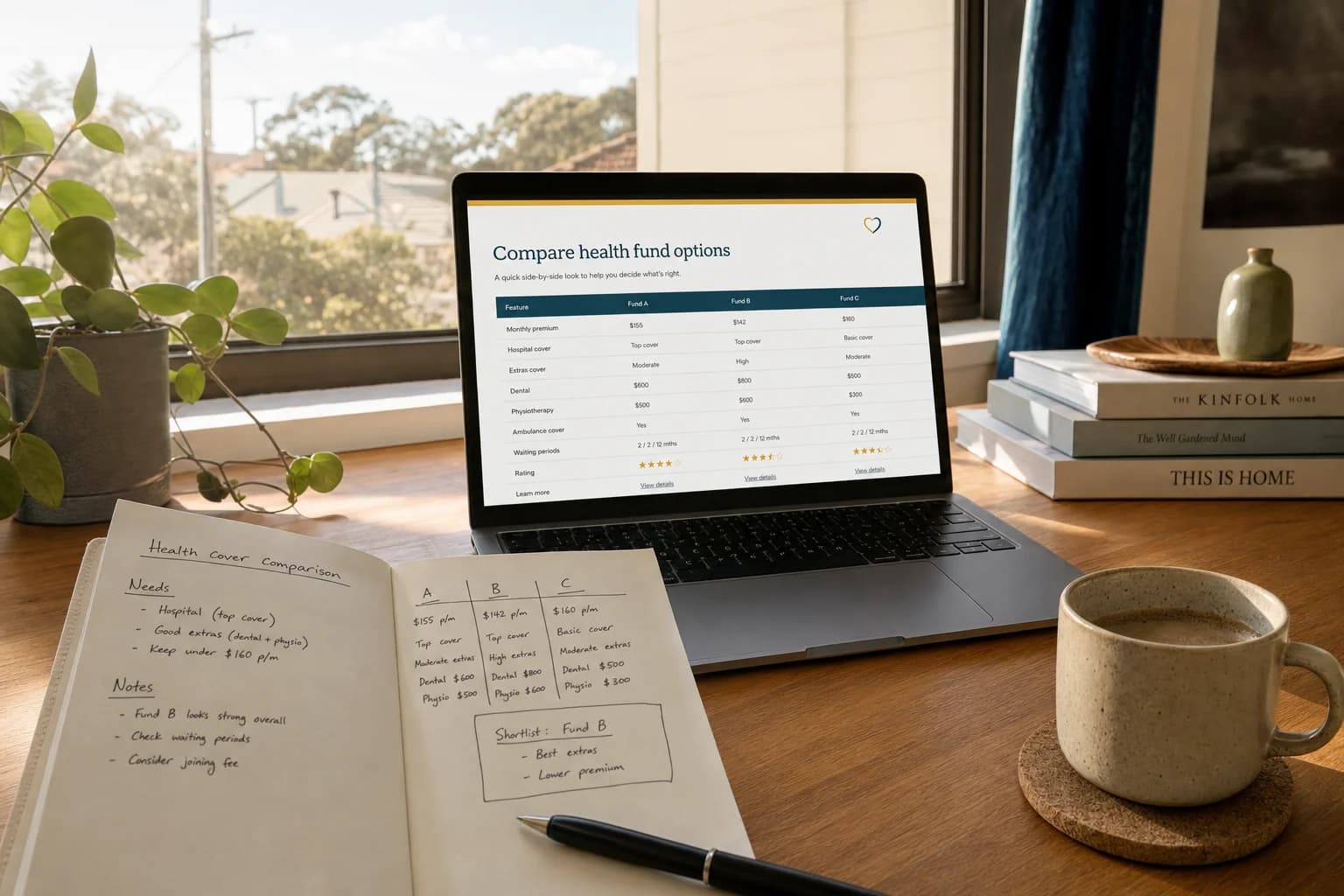
For an Australian clinic, choose appointment booking software around how your practice runs. Decide whether you need bookings alone or the phone answering, reminders and follow-up around them too.
In 2026, the five platforms worth comparing are Cliniko, Halaxy, Zanda (formerly Power Diary), Acuity, and LUNA Systems. Cliniko and Halaxy dominate the Australian allied-health and GP market. Both have Medicare integration and AHPRA-aware design. Zanda is the strongest pick for multi-practitioner clinics. Acuity is the cheapest international option here, but lacks Medicare and TGA-aware features.
LUNA Systems sits one layer above these booking platforms. It combines a booking platform with AI phone answering, missed-call recovery, automated SMS reminders and review collection, designed specifically for Australian clinics that want their entire front desk handled.
*This guide compares clinic-specific booking platforms, Medicare integration, AHPRA-aware design and practitioner scheduling. Buying scheduling software for a trade business, salon, or professional-services firm instead? Our appointment scheduling software buyer guide covers the wider market across five buyer types with an AU compliance check.*
Key takeaways
- Entry-level pricing: Halaxy's core platform is free, and Zanda starts at AUD $29 a month for one practitioner. Cliniko and the general booking tool Acuity Scheduling are priced in US dollars on their websites, so no Australian dollar figure is given here for either.
- The two Medicare-integrated leaders: Cliniko and Halaxy are the two most established Australian options, both Medicare-integrated and AHPRA-aware, for solo practitioners and small allied-health clinics.
- Best for complex scheduling: Zanda is the strongest fit for multi-practitioner clinics running complex, multi-room scheduling. Its Growth plan costs AUD $59 a month for the first practitioner plus AUD $29 for each additional one (excluding GST).
- The booking gap most clinics miss: patients who phone rather than self-book, especially outside receptionist hours, often go to voicemail and are lost.
- SMS reminders help attendance: A Cochrane review (Gurol-Urganci et al., 2013) found text message reminders improved attendance at healthcare appointments, from 67.8% with no reminder to 78.6% with text reminders.
- The done-for-you option: LUNA Systems combines a booking platform with AI phone answering, missed-call recovery, SMS reminders and review collection, quoted per business after a discovery call.
What should clinic booking software actually do?
A basic booking system in 2026 lets patients pick a time online and confirms the appointment by SMS. Beyond that, compare how each system handles:
- Real-time availability across multiple practitioners and locations
- New-patient intake forms sent and collected automatically before the appointment
- Medicare and private health integration for direct claiming at the point of service
- Automated SMS and email reminders with two-way confirmation
- Waiting list management when cancellations open up new slots
- Clinical notes and treatment plans in the same system as the booking
- Group bookings and recurring appointments for ongoing care
- Payment processing with deposits, no-show fees, and refunds
- Practitioner-specific schedules including rotating shifts and split sites
- AHPRA-aware confirmation and reminder copy that doesn't breach advertising guidelines
The Australian platforms handle most of this within their own software. International platforms typically need extra connections to other software and can't handle Medicare without help.
How do the top 5 clinic booking platforms in Australia compare?
Cliniko
Cliniko is an Australian-built practice management platform, founded in Melbourne for the Australian healthcare environment. Tens of thousands of allied health practitioners use it, including physiotherapists, chiropractors, podiatrists and mental health professionals.
Pricing: Priced in US dollars on the vendor's website, so no Australian dollar figure is given here. Plans depend on practitioner count, from a solo plan up to a band covering 26 to 200 practitioners. Every plan includes every feature.
Pros:
- Australian-built, Australian-hosted, AHPRA-aware
- Excellent online booking experience for patients
- Medicare integration via Tyro or HICAPS
- Strong clinical notes and treatment plan features
- Integrates with Xero, MailChimp, and most marketing tools
- Free 30-day trial
- Solid mobile apps for practitioners
Cons:
- SMS reminders cost extra, charged as pre-paid credits priced in US dollars on the vendor's website
- Phone answering is not part of the platform, you still need a receptionist or a separate AI service
- Limited customisation of the booking page design
Best for: Solo and small allied health practitioners who want a Medicare-integrated, AHPRA-aware platform with a polished patient booking experience.
Halaxy
Halaxy is another Australian-built platform with a particularly strong Medicare and private health rebate workflow. Its entry tier is free. The company charges for pay-as-you-go credits and payment processing. It's widely used by GPs, mental health practitioners and allied health clinics.
Pricing: The core platform is free for any number of practitioners. Add-ons use pay-as-you-go credits at AUD $0.15 to $0.22 each (including GST). These cover SMS, funding body rebates, e-scripts, telehealth and AI Scribe. Optional subscription features start from 25 credits a month. Payment processing fees start from 1.5% per transaction.
Pros:
- Free entry tier, unusually generous for practice management software
- Excellent Medicare and private health rebate integration
- Built specifically for the Australian healthcare workflow
- Patient portal for self-service booking and document uploads
- AHPRA-aware advertising and communications
Cons:
- Interface feels less modern than Cliniko
- Credits and payment processing fees add up at scale
- Customer support response times can be slow
- Less integration depth with third-party marketing tools
Best for: Solo GPs and allied health practitioners who want a Medicare-integrated platform with a low-cost or free entry point.
Zanda (formerly Power Diary)
Zanda is the new name for Power Diary, renamed in November 2024. It is the Australian platform of choice for multi-practitioner clinics and group practices. It handles complex scheduling better than any other Australian option. That includes multiple practitioners, rooms and locations, plus rotating shifts.
Pricing: All prices exclude GST. The Starter plan is AUD $29/month for one practitioner, with up to 1,000 appointments. The Growth plan is AUD $59/month for the first practitioner plus AUD $29/month for each additional practitioner. It includes unlimited appointments. SMS is AUD $0.15 per message sent.
Pros:
- Best-in-class multi-practitioner scheduling
- Strong group booking and recurring appointment support
- Excellent reporting and analytics
- Integrates with Xero, Stripe, and major marketing tools
- Telehealth built in
- AHPRA-aware
Cons:
- Growth plan pricing is per practitioner (AUD $29 for each one after the first), which adds up for larger clinics
- Steeper learning curve for solo practitioners
- SMS reminders cost extra (AUD $0.15 per message sent)
- Doesn't include AI phone answering or missed-call recovery
Best for: Multi-practitioner clinics and group practices that need complex scheduling and are comfortable paying per practitioner.
Acuity Scheduling
Acuity (owned by Squarespace) is a popular international booking platform. Some Australian clinics use it as a cheap entry point. It has a polished interface, but isn't built for healthcare and lacks Medicare integration.
Pricing: Priced in US dollars on Acuity's website, so no Australian dollar figure is given here. Plans are set by the number of bookable calendars: one on Starter, up to 6 on Standard and up to 36 on Premium.
Pros:
- Inexpensive
- Easy setup
- Good patient booking experience
- Integrates with Stripe, Square, and PayPal
Cons:
- No Medicare or private health rebate integration
- Not AHPRA-aware, confirmation and reminder templates need careful manual customisation
- Pricing steps up with the number of bookable calendars (one on Starter, up to 6 on Standard, up to 36 on Premium)
- No clinical notes or treatment plans
- Doesn't handle the Australian healthcare workflow natively
Best for: Cash-pay-only practices (cosmetic, aesthetic, wellness) that don't need Medicare integration and want a low-cost booking platform.
LUNA Systems
LUNA Systems is an Australian done-for-you automation service that includes appointment booking as part of a complete clinic front-desk workflow. Instead of giving you booking software and leaving the phone, follow-up, reminders, and reviews to figure out separately, LUNA Systems combines all of them into one system designed specifically for Australian clinics.
Pricing: Quoted per business after a discovery call, no fixed monthly fee published.
Pros:
- AI phone answering for clinics bundled with booking, captures the patients who phone rather than self-book
- Missed-call text-back recovery: every unanswered call gets an automatic SMS within 60 seconds offering a booking link
- SMS reminders included (no per-message charge)
- Automated review collection after every appointment
- Built-in LUNA CRM, with a live booking connection to Cliniko; other practice systems are confirmed during set-up
- AHPRA-aware templates and compliance guardrails built in
- Done-for-you setup, you don't configure anything yourself
- Real Australian voices and local context
- Real human support, not a help desk
- No lock-in
Cons:
- More than a booking platform, overkill if you only want a booking page
- Custom-quoted pricing is higher than entry-tier practice management software
- Designed to complement (not replace) Cliniko, Halaxy, or Zanda if you already have clinical notes in those systems
Best for: Australian clinics that want their entire front desk handled, booking, phone, follow-up, reviews, reminders, not just a booking platform.
Book a strategy call and we'll put together a custom quote.
Side-by-side: clinic booking software in Australia (2026)
| Platform | Starting price (AUD) | Medicare integration | AHPRA-aware | Phone answering | SMS reminders included |
|---|---|---|---|---|---|
| Cliniko | Priced in US dollars on the vendor's website | Yes (Tyro/HICAPS) | Yes | No | No (per-SMS charge) |
| Halaxy | Free core platform, credits from $0.15 each (including GST) | Yes (direct) | Yes | No | No (per-SMS charge) |
| Zanda | $29/mo (excluding GST) | Yes (Tyro/HICAPS) | Yes | No | No (per-SMS charge) |
| Acuity | Priced in US dollars on the vendor's website | No | No | No | No |
| LUNA Systems | Custom quote | Live connection to Cliniko; others confirmed at set-up | Yes | Yes | Yes |
Prices were checked on each provider's website on 01-10-2026. The Australian dollar figures are list prices before any introductory offers. Zanda's prices exclude GST and Halaxy's credit prices include it. Cliniko and Acuity list their prices in US dollars only, so no price is shown for them here.
Which clinic booking software is right for your clinic?
If you're a solo allied health practitioner or small clinic, Cliniko or Halaxy will handle your booking and clinical notes well. You'll still need a separate solution for phone answering, such as an AI receptionist that covers the calls you miss, or you accept the missed-call loss.
If you're a multi-practitioner clinic with complex scheduling, Zanda is the strongest fit.
If you're a cash-pay practice (cosmetic, aesthetic, wellness) and don't need Medicare integration, Acuity is a low-cost option.
If you want a done-for-you front-desk workflow, compare how each provider connects phone answering, booking, missed-call follow-up, reminders, review requests and CRM updates. Ask which parts work within the provider's own software and which rely on third parties. Also ask who handles testing and changes after launch.
One possible setup is to keep an established practice-management system for clinical records and claiming. The receptionist and automation layer can then connect to it, with its scope agreed separately. Before connecting phone answering to patient bookings, use the AI medical receptionist readiness check. Document call boundaries, data providers, booking confirmation and human handover.
Sources
- Cliniko, Australian practice management software
- Halaxy, Australian practice management software
- Power Diary, Australian practice management software
- Acuity Scheduling, international booking platform
- AHPRA Advertising Guidelines, Australian regulator guidance on healthcare advertising
Ready to automate your clinic's front desk properly?
Booking software is one piece of the puzzle. Phone answering, missed-call recovery, SMS reminders, review collection, and follow-up sequences are the other pieces, and most clinics either ignore them or stitch together five separate tools. LUNA Systems handles the whole front desk with automated appointment booking for clinics as one workflow, designed specifically for Australian clinics. Book a strategy call and we'll show you how it fits with your existing practice management software.
Frequently asked questions
What's the best appointment booking software for an Australian clinic?
For solo practitioners and small allied health clinics, Cliniko and Halaxy are the two most established Australian options, both are Medicare-integrated and AHPRA-aware. For multi-practitioner clinics needing complex scheduling, Zanda (formerly Power Diary) is the strongest fit. For clinics that want booking software plus AI phone answering, missed-call recovery, automated reviews, and SMS reminders in one system, LUNA Systems combines a booking platform with full front-desk automation. The right choice depends on whether you want booking software alone, or booking software plus everything that should happen around it.
How much does clinic booking software cost in Australia?
Costs vary by provider and by how many practitioners you have. These are list prices in Australian dollars from each provider's website, checked 01-10-2026. Halaxy's core platform is free, with pay-as-you-go credits at AUD $0.15 to $0.22 each (including GST) for add-ons such as SMS, funding body rebates, e-scripts and telehealth. Zanda starts at AUD $29 a month for one practitioner, or AUD $59 a month for the first practitioner plus AUD $29 for each additional one on its Growth plan (excluding GST). Cliniko and Acuity Scheduling, a general booking tool rather than a clinic system, are priced in US dollars on their websites, so no Australian dollar figure is given here for either. SMS reminders usually cost extra, for example AUD $0.15 per SMS sent on Zanda. LUNA Systems quotes per business after a discovery call, so there is no published monthly fee.
Is clinic booking software AHPRA-compliant?
AHPRA compliance is mostly about how the software is used, not the software itself. Booking platforms don't display patient testimonials, make therapeutic claims, or breach advertising guidelines on their own, that's controlled by what you write in your booking page descriptions, confirmation emails, and reminder SMS templates. The major Australian platforms (Cliniko, Halaxy, Zanda) all support AHPRA-aware customisation, but the responsibility for compliant copy stays with the practitioner.
Can patients book online without phoning the clinic?
Yes, every major clinic booking platform supports online self-service booking. Patients see real-time practitioner availability, pick a time, enter their details, and receive a confirmation SMS or email automatically. The best systems also handle deposit collection, new-patient intake forms, and Medicare details before the patient arrives.
Does clinic booking software send appointment reminders automatically?
Yes, all major platforms include automated SMS and email appointment reminders. Standard cadence is one reminder 24 hours before the appointment plus a second reminder 1-2 hours before. Two-way SMS, where patients can reply YES or NO to confirm, lets patients confirm or cancel in seconds, which frees the slot for someone else. Some platforms charge per SMS sent; others bundle reminders into the monthly plan. Always check whether SMS credits are included or billed separately.
Can clinic booking software handle Medicare and private health rebates?
Cliniko, Halaxy, and Zanda all integrate directly with Medicare for online claiming, and most support private health rebates via HICAPS or Tyro terminals. Halaxy in particular is built around the Medicare workflow and is popular with GPs, allied health, and mental health practitioners. International platforms like Acuity and Calendly do not handle Medicare claiming, they're booking platforms only and would need to pair with a separate billing system.
What happens to the calls clinic booking software doesn't capture?
This is the gap most clinics miss. Booking software handles the patients who already know they want to book and find their way to the booking page. Patients who phone rather than self-book, especially outside the receptionist's hours, often go to voicemail and are lost. That's where AI phone answering and missed-call automation sit on top of the booking platform. A complete clinic front-desk system combines booking software, AI phone cover, automated SMS reminders, and review collection in one workflow.
Is Kailo Medical covered in this comparison?
No. This guide compares Cliniko, Halaxy, Zanda, Acuity and LUNA Systems in depth, and Kailo Medical isn't one of the platforms reviewed here. Whichever booking software you're evaluating, including Kailo, apply the same criteria used throughout this guide: Medicare and private health integration, AHPRA-aware confirmation and reminder copy, real-time multi-practitioner availability, and whether phone answering and missed-call recovery are handled natively or need a separate system. Check pricing, support responsiveness and data hosting directly with the vendor before committing.

Founder, LUNA Systems · Registered Nurse (AHPRA: NMW0002113429)
Former nurse and beauty therapist turned automation consultant. Justine builds custom AI systems for Australian service businesses, so they can stop chasing leads and start growing.
Want automation tips in your inbox?
Get weekly insights on business automation. No spam, unsubscribe anytime.