An AI voice agent is software that holds a real, two-way phone conversation rather than reading out a script or making you press 1 for sales. Reception, someone answering your calls, is the use most Brisbane businesses have heard of, but it is one job the technology does, not the whole category. The same underlying system can also handle after-hours answering, outbound booking confirmation calls and structured onboarding interviews.
Key takeaways
- AI voice agent is the broader category. AI receptionist is one job inside it. Reception is the most common use, but voice agents also cover after-hours answering, booking confirmations and onboarding interviews.
- There is no single published cost, because pricing models genuinely differ. Flat monthly fees, per-minute charges and blended models all exist. Model your own call volume rather than trusting an average.
- Four things are worth checking before you buy: latency, how it handles an Australian accent, what happens when it escalates to a person, and where your call data is stored.
- Test with a real call before you commit, including one from a noisy environment, not just a quiet office line.
- LUNA builds AI receptionists as the inbound-reception use of voice agent technology. Hear the voices on the voice selection page, or see how it fits your wider marketing on the Brisbane digital marketing agency page.
What is an AI voice agent?
An AI voice agent is conversational software built to hold a natural phone conversation with a real person. It listens, responds in context, and can complete an action, like checking a calendar or logging a message, while the caller is still on the line. That is the practical difference between a voice agent and older phone-tree software: a phone tree routes you through fixed menus, a voice agent actually understands what you are asking for.
The technology is general purpose. What changes between businesses is the job it is set up to do.
Where Brisbane businesses actually use AI voice agents
Reception gets most of the attention, but it is only one configuration of the same technology.
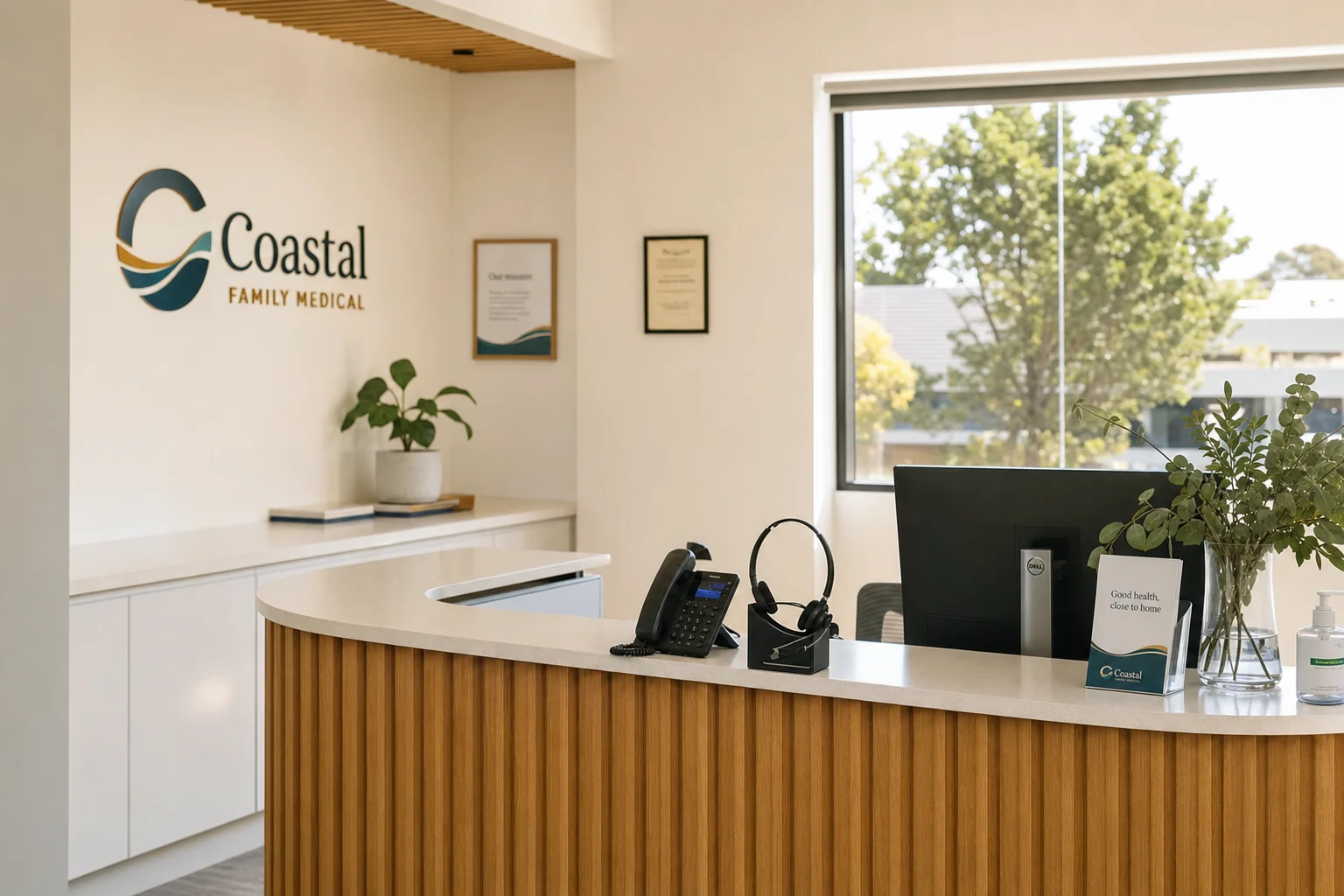
Inbound reception. This is the job most people mean when they say AI voice agent: answering calls, qualifying enquiries, and booking straight into a calendar. It is the core, most tested use case, and the one LUNA's AI receptionist service is built around.
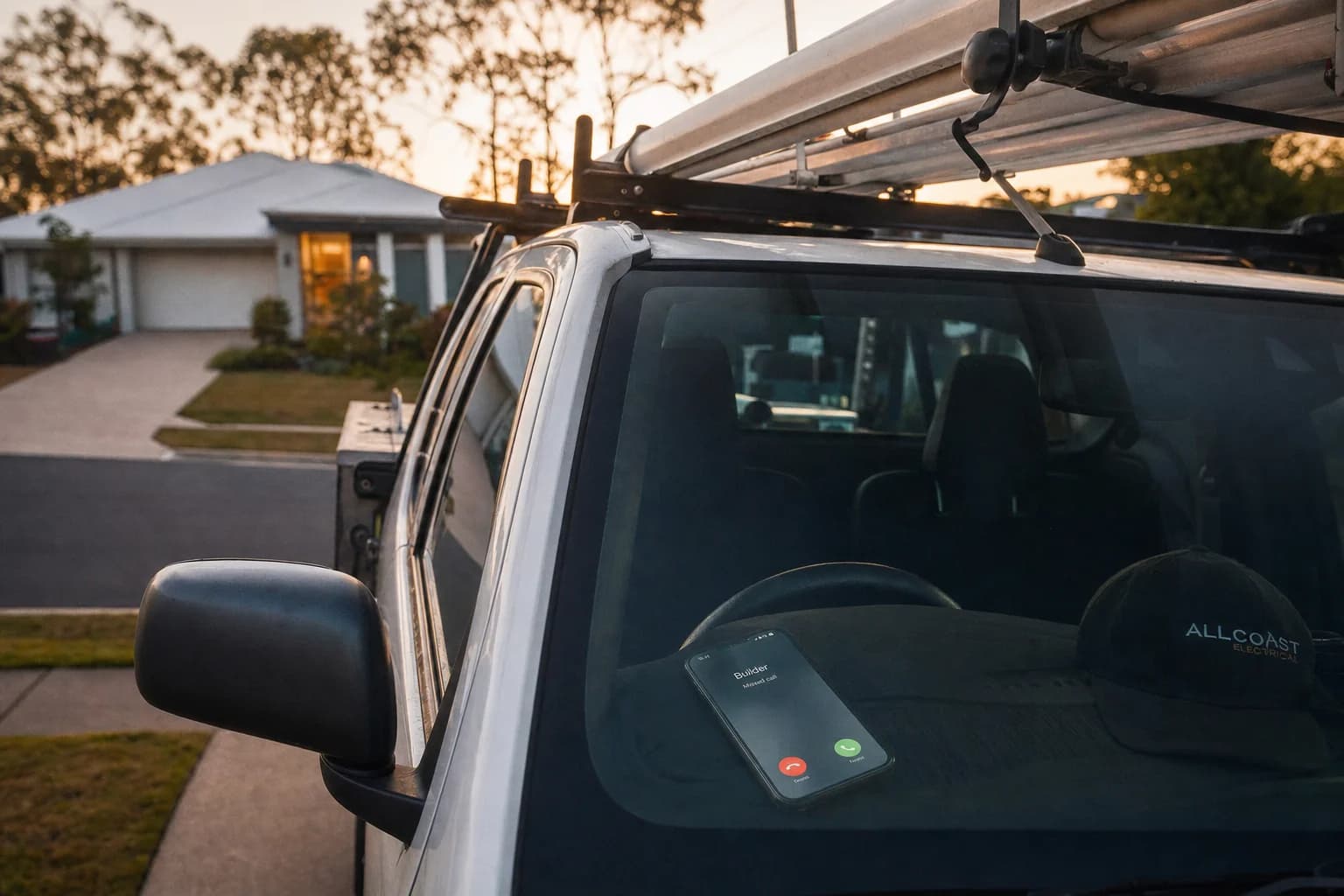
After-hours answering. A common setup is a person or team answering during business hours, with the voice agent taking over evenings, overnight, weekends and public holidays, so a caller outside business hours still gets a real conversation rather than a dead line or a voicemail nobody checks until Monday.
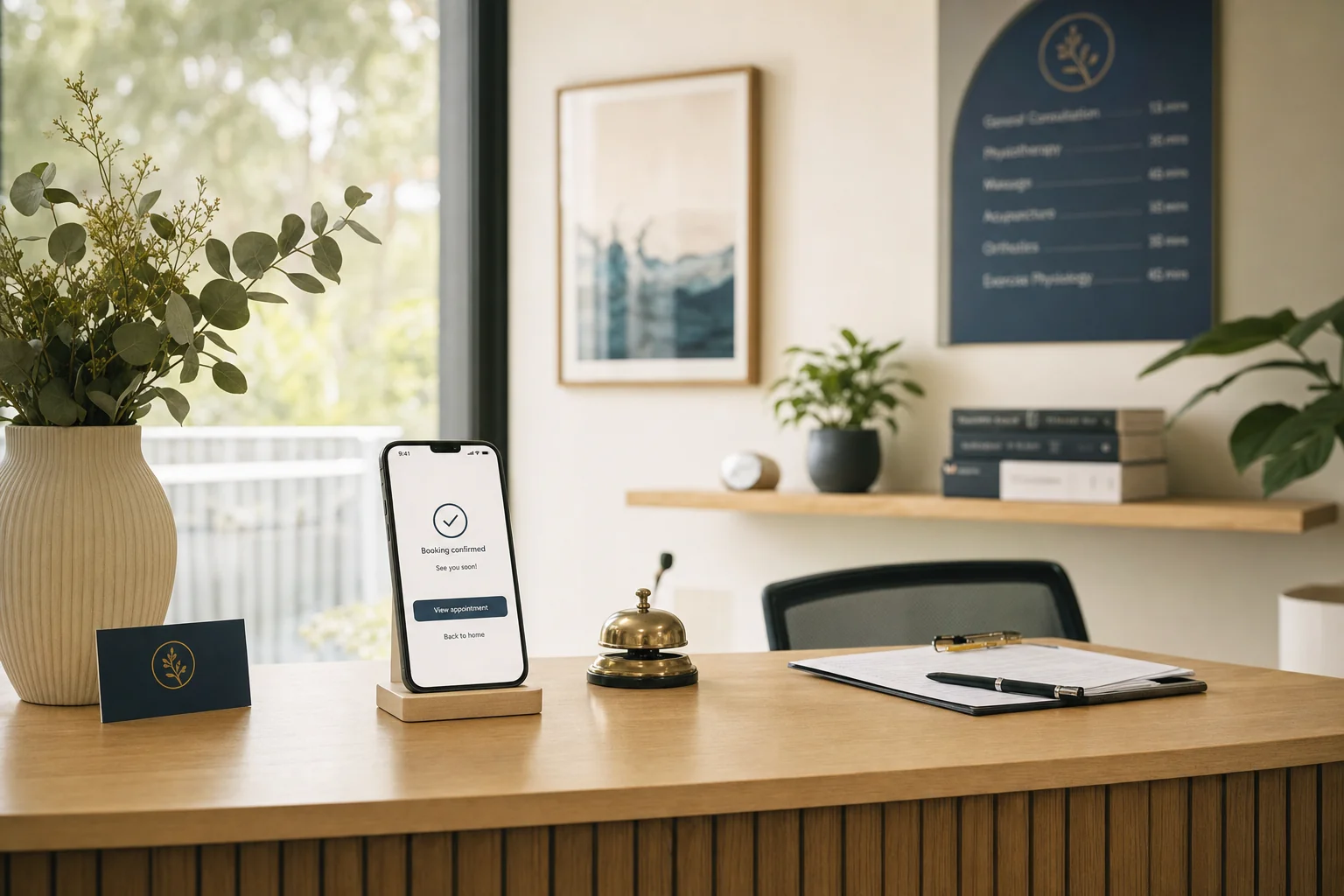
Booking confirmation calls. Rather than answering inbound calls, the agent makes short outbound calls to confirm an appointment, a job time, or an install window. This is a different scope from inbound reception, needs its own setup, and needs to follow the same consent and lawful call-conduct rules as any outbound calling, since not every routine reminder needs a phone call when a text message does the job just as well.
Client onboarding interviews. A structured outbound or inbound call that walks a new client through a set list of questions, capturing the answers in one go rather than a back-and-forth over email. This suits businesses where onboarding is repetitive but still needs to be a conversation rather than a form.
The common thread across all four is the same: a real conversation, at a scale and consistency a person cannot maintain across every hour of every day.
What do AI voice agents cost to run?
There is no single honest number here, because providers price the same underlying capability in genuinely different ways. Some charge a flat monthly fee regardless of call volume. Some charge per minute of call time, so the bill moves with how busy you are. Some blend a base fee with a usage component. None of those models is wrong, they just suit different call patterns.
What should drive the decision is your own call volume and pattern, not a headline number from a provider's homepage. A business with a low, steady volume of calls may do better on a usage-based model. A business whose call volume spikes unpredictably, a good week of leads, a cold snap, a marketing campaign landing, usually does better on a flat fee that does not move with success.
LUNA does not publish a fixed price for this reason. The quote is a flat monthly service fee, set after a discovery call, based on the actual call patterns, the integrations needed and how much custom scripting the calls require. Ask any provider you are comparing the same three questions: is the price flat, per minute or blended, what counts as a billable call, and what happens to the price in your busiest realistic month.
What should you check before you buy?
Four things separate a voice agent that genuinely works from one that sounds impressive in a demo and frustrates real callers.
Latency. How long does the agent take to respond after you stop talking? A noticeable pause makes a conversation feel like a phone call with satellite delay, and callers talk over it or hang up. This is best judged by calling it yourself and having an ordinary conversation, not by reading a spec sheet.
Australian accent handling. Call from a genuinely noisy environment, not just a quiet office. A tradie's ute, a busy street, a call with background chatter. Listen for whether it asks you to repeat yourself constantly or mishears suburb and street names. A well-built agent that cannot make out what you said takes your number and hands off to a person rather than guessing.
Escalation to a real person. Ask exactly what triggers a transfer, where the call goes, and what happens to genuinely urgent or distressed callers. A voice agent with no clear escalation path either leaves those callers stuck talking to software or, worse, invents an answer it should not be giving. LUNA's AI receptionist is built around explicit transfer and escalation rules agreed during setup, rather than the agent improvising when it hits something outside its scope.
Privacy and data storage. Call recordings and caller details are personal information under the Privacy Act 1988, and calls typically pass through several providers, telephony, the voice engine, automation and your CRM. Ask where each one stores data, and do not assume Australian hosting unless it is confirmed in writing across every provider in the chain, since a single vague answer here should be treated as the answer.
Is an AI voice agent the same as an AI receptionist?
For most businesses asking the question, yes, functionally. An AI receptionist is the inbound-reception configuration of an AI voice agent: the technology set up specifically to answer calls, qualify enquiries and book appointments. If reception is the only job you need done, the two terms describe the same thing.
The distinction matters more once you are considering the other uses covered above, after-hours cover, outbound confirmation calls, onboarding interviews, because those are separate configurations of the same underlying technology, usually scoped and set up separately from inbound reception rather than included automatically.
How to trial one before you commit
Do not judge a voice agent from a polished demo alone. Call it yourself, more than once, and specifically try to break it: a noisy background, an unusual question, a request it should escalate rather than answer. A live demo that only ever gets asked easy questions in a quiet room tells you very little about how it performs on a real Tuesday afternoon.
If you want to hear what a properly built voice agent actually sounds like before deciding anything, the voice selection page has samples you can listen to directly. For how a voice agent fits into the rest of a Brisbane business's marketing and lead generation, see the Brisbane digital marketing agency page, or get in touch to talk through your call volume and where a voice agent would actually help.

Founder, LUNA Systems · Registered Nurse (AHPRA: NMW0002113429)
Former nurse and beauty therapist turned automation consultant. Justine builds custom AI systems for Australian service businesses, so they can stop chasing leads and start growing.
Want automation tips in your inbox?
Get weekly insights on business automation. No spam, unsubscribe anytime.