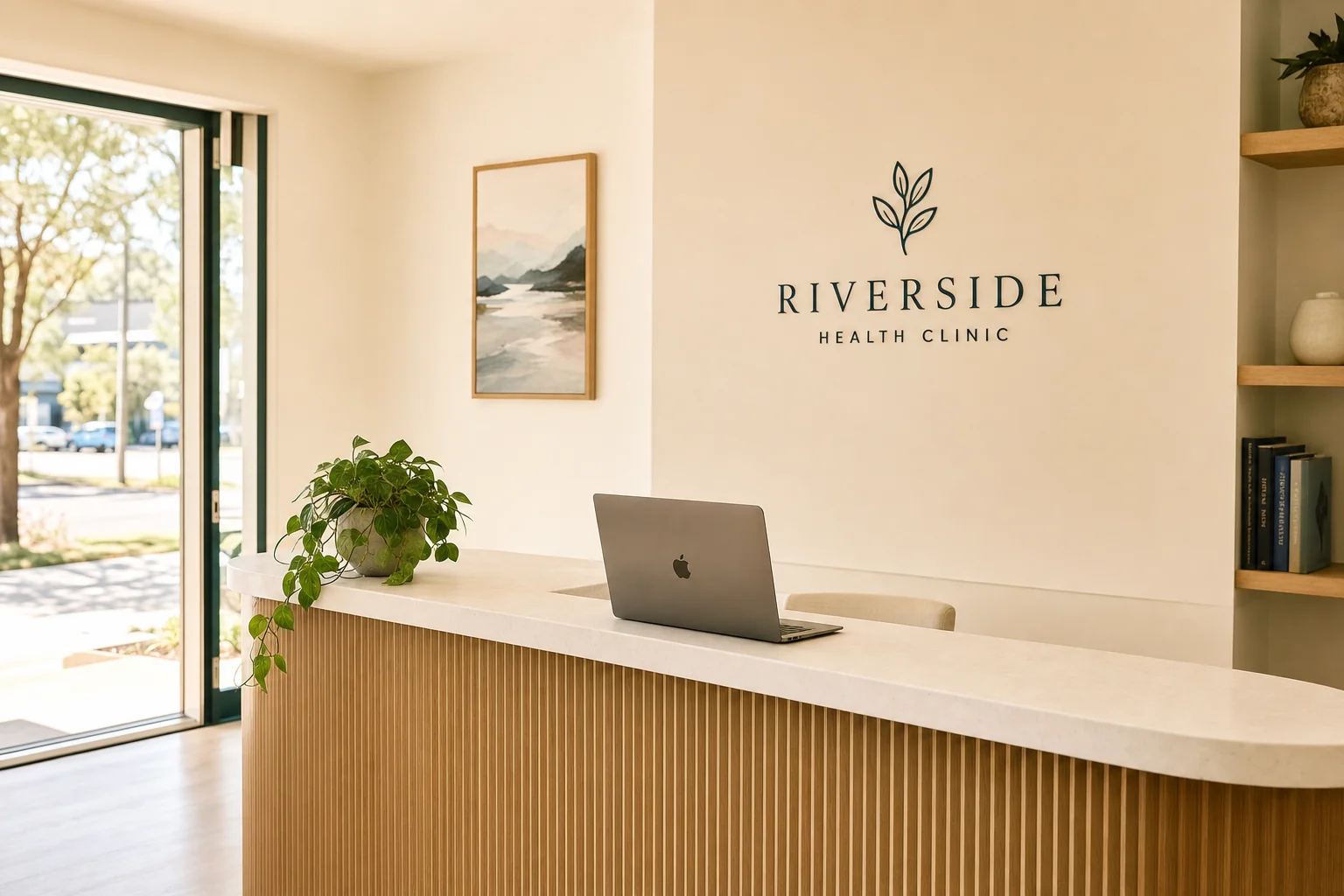
Most allied health practices, physios, podiatrists, dietitians, psychologists, exercise physiologists, are small. Often a solo practitioner or a handful of clinicians, no marketing budget to speak of, and no time to run campaigns. The standard advice ("invest in an omnichannel content strategy") is useless when you have $200 a month and twenty minutes a week.
So this is the opposite: a strict order of operations. If you can only do one thing, do the first one. Then the next. Every step is free or cheap, every step is compliant with AHPRA's rules, and they are ordered by return on the time and money you do not have.
Key takeaways
- Standard "omnichannel content strategy" advice is useless on $200 a month and twenty minutes a week.
- Follow a strict order of operations: do the single highest-return free thing first (usually the Google Business Profile), then the next.
- Fundamentals done well beat paid campaigns done thinly, and the cheapest tactics are among the safest under AHPRA.
- This is general information, not legal advice. LUNA Systems helps small Australian allied health practices market compliantly on a tight budget.
Step by step
The order of operations on a small budget
Complete your Google Business Profile
Free
Get a steady trickle of reviews
Free
Stop leaking the enquiries you get
Mostly free
Write a handful of useful articles
Your time
Only then consider paid ads
They stop the moment you stop paying
Each step funds the next.
First: claim and complete your Google Business Profile (free)
If you do nothing else, do this. For "physio near me" or "dietitian Brisbane", your Google Business Profile is what appears in the map pack, and a complete profile ranks far better than a half-finished one. It costs nothing but an afternoon.
Fill every field: the description, your services, attributes, hours, photos. Get the primary category exactly right, it is the single biggest relevance lever. Our 14-fields walkthrough is the checklist. For allied health, remember the AHPRA line on reviews: feedback about service is fine, testimonials about clinical outcomes are not.
This is one of the highest-return foundations on the list, and the DIY version is free. Most local competitors have done it inconsistently. That gap is your opening, and if you would rather hand it off, our healthcare reviews and reputation service applies the additional patient-feedback, advertising and public-reply safeguards a clinic needs.
Second: get a steady trickle of reviews (free, a little ongoing effort)
After profile completeness, reviews are the biggest local ranking factor, and recency matters most. You do not need hundreds; you need a steady flow of recent ones. Hold off on public replies to reviews that mention treatment, because a reply can read as the practice endorsing what the review says.
On a tight budget, the manual version is free: use one neutral invitation for every eligible patient in an agreed cohort, with a direct link and no filtering by sentiment. The honest problem is that teams forget once the clinic gets busy. When you are ready to manage the process consistently, our healthcare reviews and reputation service connects the invitation, monitoring and clinic-controlled response workflow. Until then, document the rule and put a reminder somewhere the team will see it.
Third: make sure you are not leaking the enquiries you already get
Before spending a cent on attracting new patients, plug the leaks in the ones you already have. Allied health practices lose enquiries in predictable ways: the phone rings during a session and goes unanswered, an email sits for two days, a booking link is buried.
The free fixes: a clear booking link everywhere, and a habit of replying to every enquiry the same day. When you are ready to make booking effortless, online booking automation for clinics lets patients self-schedule around the clock. When budget allows, never missing a call is the highest-return upgrade, an after-hours or overflow answering setup catches the patients who ring while you are with someone else. A missed call from a prospective patient is usually a patient who simply rings the next clinic.
Fourth: write a handful of genuinely useful articles (free, your time)
Once the profile, reviews, and capture are sorted, content is the cheapest long-term growth you have. You are the expert; write down what you explain to patients every week. "What to expect at your first physio appointment." "Is it normal for [common symptom]?" "How many sessions does [common condition] usually take?"
These rank because patients search them, build trust because they show you know your field, and stay compliant because they educate rather than promise outcomes. They cost only your time, and a good one keeps bringing enquiries for years. If writing is not your thing, this is the most worthwhile thing to eventually outsource, our SEO service builds this content engine for practices that would rather treat patients than write.
Fifth: only then consider paid ads
Paid ads come last on a small budget, not because they do not work, but because they stop the moment you stop paying, and they are wasted if the foundations above are leaky. Sending paid clicks to a thin profile or a slow site burns money.
When you do have a little to spend, point ads at a specific service page, not your homepage, and keep the copy AHPRA-safe: factual, no outcome promises, no "best". A small, well-targeted Google Ads budget can bring quick enquiries once everything underneath it is solid. Until then, your money does more in the free steps above.
The compliance line, briefly
Everything here stays inside AHPRA's rules because it is built on factual description and education, not testimonials and promises. The traps to avoid: clinical-outcome testimonials, "best/guaranteed/painless", patient-journey outcome stories, and fear-based messaging. Our AHPRA-compliant marketing guide has the full picture if you want it.
The honest summary
On a small budget, the order is everything. Complete your Google profile (free). Get a steady trickle of recent reviews (free). Stop leaking the enquiries you already get (mostly free). Write a handful of genuinely useful articles (your time). And only then, when the foundations are solid, spend a little on ads. Each step funds the next, and the early ones cost nothing but effort.
You do not need a big budget to out-market most allied health practices, because most of them never do the free steps properly. We help allied health practices punch well above their budget, and we are honest about what each dollar will do. Book a free strategy call and we will get you more patients without pretending you have a big-clinic budget.
Frequently Asked Questions
What should an allied health practice do first with no marketing budget?
Claim and fully complete your Google Business Profile. It is free, it is what appears when patients search "physio near me", and a complete profile ranks far better than a half-finished one. It is the single highest-return thing you can do at zero cost, and most local competitors have done it poorly.
How do I get more reviews without paying for software?
Ask every patient at the end of their appointment, with a direct review link ready on your phone. It is free; the only catch is remembering to do it when you get busy. Putting a visible reminder in your booking system helps. When budget allows, automating the request is the best small upgrade.
Are paid ads worth it for a small allied health practice?
Eventually, but not first. Ads stop working the moment you stop paying and are wasted if your profile, reviews, and enquiry capture are weak. On a small budget, the free foundations return more. Once those are solid, a small, well-targeted ad budget pointed at a specific service page can bring quick enquiries.
Can allied health practices market within AHPRA rules on a budget?
Yes, easily. The cheapest tactics, a complete profile, genuine reviews about service, educational content, are all compliant. AHPRA restricts clinical testimonials, outcome promises, and misleading claims, none of which you need. Honest, educational, factual marketing is both the cheapest and the safest path.
What content should an allied health practitioner write?
Write what you explain to patients every week: what to expect at a first appointment, whether a common symptom is normal, how many sessions a condition usually takes. These rank because patients search them, build trust, and stay compliant because they educate rather than promise outcomes. They cost only your time.
If you want a realistic, budget-aware plan for your practice, book a free strategy call. We will get you growing on the budget you actually have.
More frequently asked questions
What should allied health practices market first on a small budget?
Start with the free, high-return fundamentals in order: a complete, verified Google Business Profile, then a genuine review process, then a simple website with locally relevant educational content, then clear booking. Each step is free or cheap and compliant with AHPRA's rules, and they are ordered by return on limited time and money rather than done all at once.
How do you market an allied health practice with almost no budget?
Skip omnichannel strategies and follow a strict order of operations: do the single highest-return free thing first (usually the Google Business Profile), then the next. A solo physio, podiatrist, dietitian, or psychologist with $200 a month and twenty minutes a week gets further with fundamentals done well than with paid campaigns done thinly.

Founder, LUNA Systems · Registered Nurse (AHPRA: NMW0002113429)
Former nurse and beauty therapist turned automation consultant. Justine builds custom AI systems for Australian service businesses, so they can stop chasing leads and start growing.
Want automation tips in your inbox?
Get weekly insights on business automation. No spam, unsubscribe anytime.