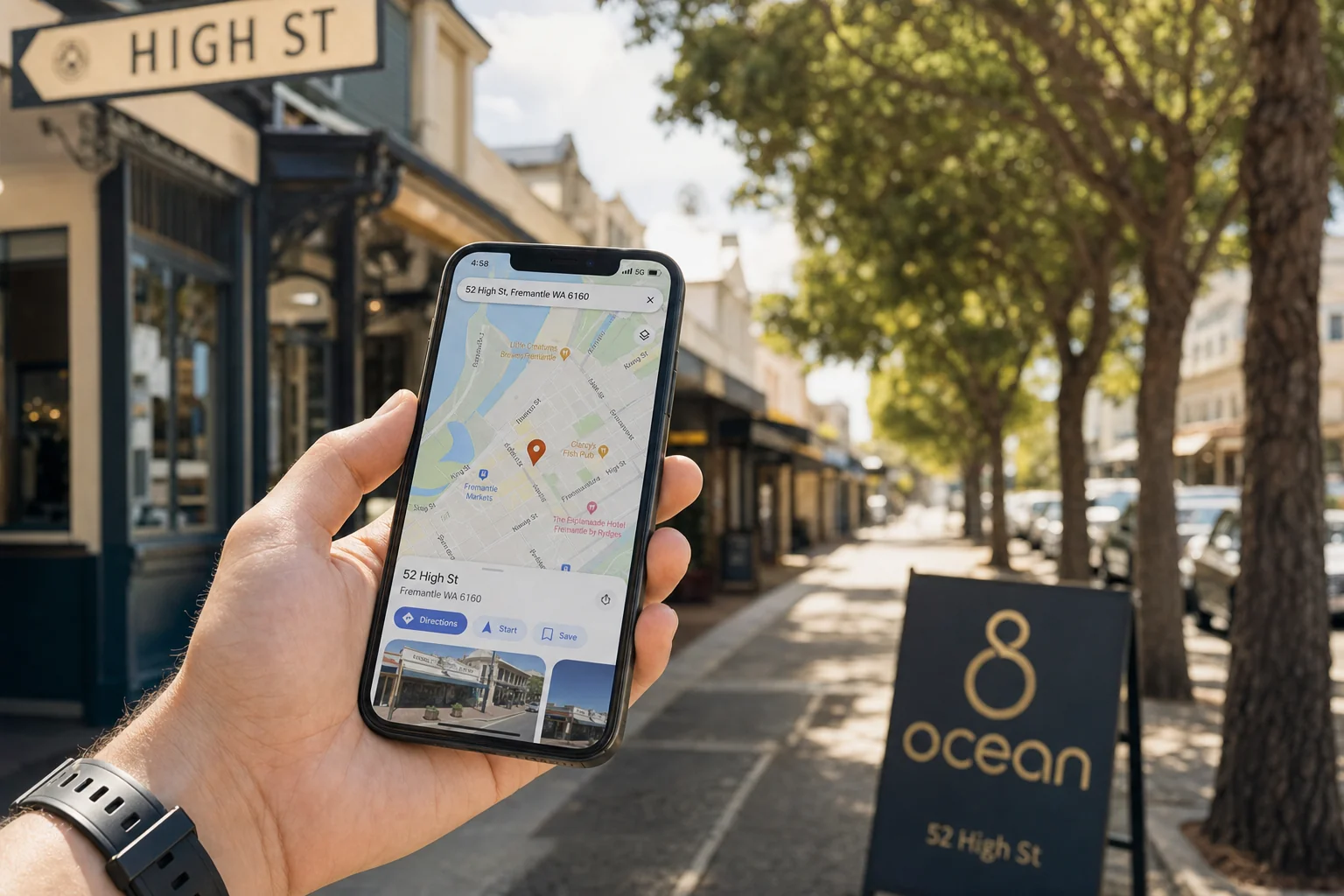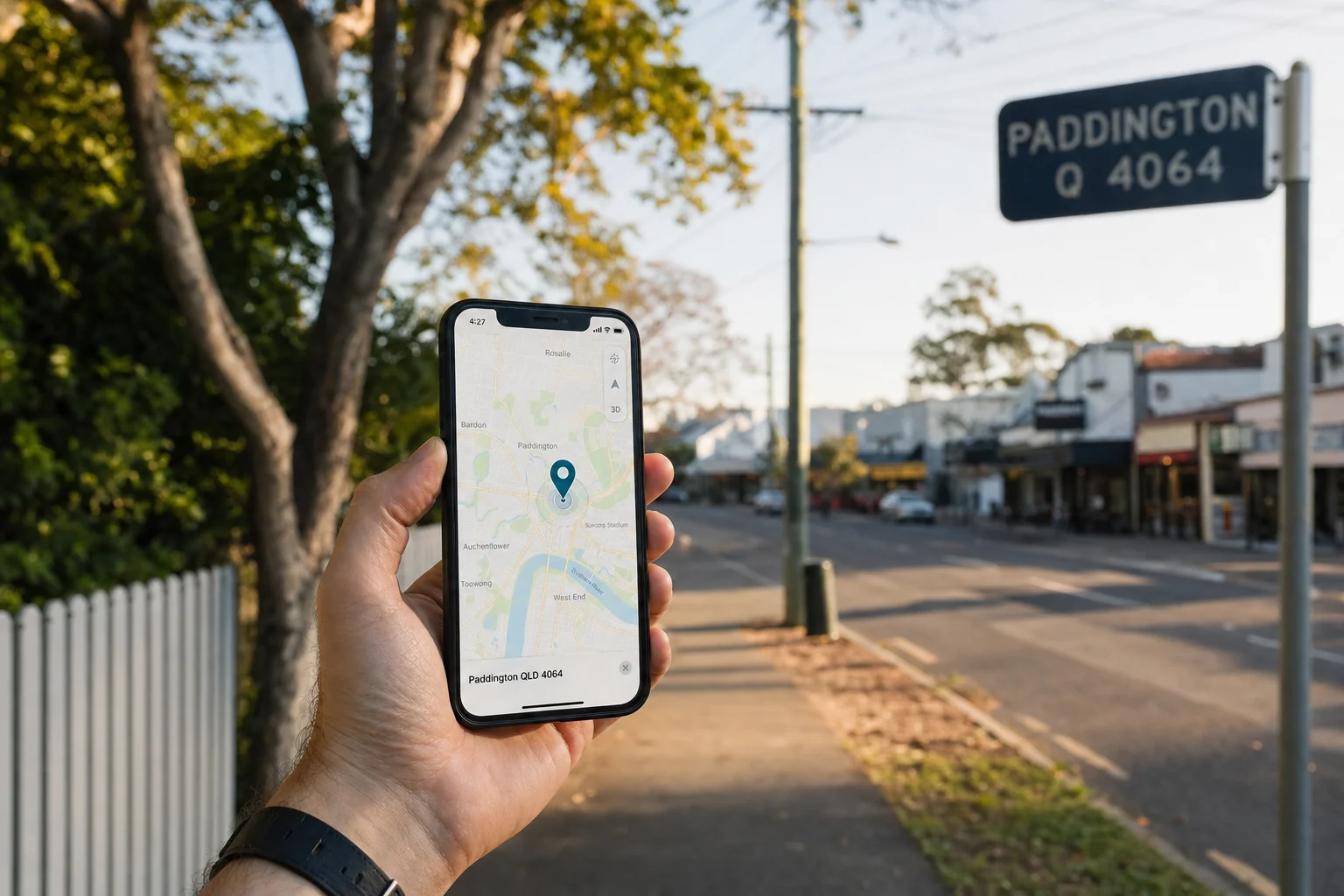
When someone in Brisbane searches "electrician near me" or "physio Paddington", Google shows three businesses in a little map box before the normal results. That box is the local pack, and for a service business it is the most valuable real estate on the internet. The three businesses in it get the calls. Everyone below the fold mostly does not.
The frustrating part is that the pack only has three spots and your suburb has fifty plumbers. So the real question is not "how do I do local SEO", it is "what actually decides those three spots, and how do I claim one". The honest answer in 2026 is a short list of things, most of which your competitors are doing badly.
This is a plain breakdown of what moves you into the Brisbane local pack, what does not, and roughly how long it takes.
Key takeaways
- The Brisbane local pack shows only three businesses, and they get the calls, everyone below the fold mostly doesn't.
- Three things decide the spots: relevance, proximity, and prominence. You can't move closer, so relevance and prominence are where the work is.
- A complete, verified Google Business Profile plus a steady flow of recent, genuine reviews is what most competitors do badly, and where the gap usually is.
- Meaningful movement typically takes three to six months; LUNA Systems handles local-pack SEO and review collection for Brisbane service businesses.
What actually decides the three spots
Google ranks local results on relevance, proximity, and prominence. In 2026, proximity is still the heaviest single factor, it accounts for more than half of the decision, because Google wants to show people businesses that are genuinely near them. You cannot move your business, but proximity is not the whole story, and it is the only factor you cannot influence. The other two, relevance and prominence, are entirely yours to win, and they are where most service businesses lose.
The businesses in the pack are usually the ones that got the boring fundamentals right: an accurate, complete profile, a steady flow of recent reviews, and consistent business details across the web. That is most of it. Our Google Business Profile management page covers the profile side in detail; this post is about the bigger ranking picture.
Get your primary category exactly right
The single most influential relevance factor in local search is your Google Business Profile's primary category. Not your description, not your website, the category. "Electrician" and "Electrical engineer" pull completely different searches, and picking the wrong one quietly excludes you from the searches you actually want.
Choose the primary category that matches the main thing you want the phone to ring for. Then add accurate secondary categories for everything else you do. This one setting, done right, moves more than almost anything else, and category changes are also the fastest to take effect, often within days rather than weeks.
Reviews are the second-biggest lever, and recency matters most
After profile completeness, reviews are the largest input into local pack ranking. But it is not just the total count. Three things matter: how many reviews you have, how recent they are, and how often you reply.
Velocity is the part people miss. A steady trickle of new reviews every week signals an active, trusted business far better than 200 reviews that all arrived two years ago. Customers also tend to read recent reviews first to judge how a business is running now. And replying to your reviews is worth doing because replies are a public signal that someone is paying attention.
The catch is that asking every customer for a review, by hand, every time, never lasts past the busy weeks. That is exactly why automating the review request is one of the highest-return moves a Brisbane service business can make. Set it once, and the trickle keeps coming.
Keep your name, address, and phone identical everywhere
Citations, your business listed across directories and the wider web, work like identity verification in 2026. Google wants your name, address, and phone number to match everywhere it finds them. A profile that says "0488 003 421" on Google, a different number on Yellow Pages, and an old address on a directory from 2019 reads as unreliable, and undermines the prominence you are trying to build.
Pick one exact format for your details and make it identical across every listing. For a Brisbane service business, this is unglamorous and genuinely worth a couple of hours.
If you have no shopfront, set your service areas
A lot of Brisbane service businesses, mobile mechanics, sparkies, mobile physios, work from a ute, not an address. The right setup is a service-area business: hide the street address and list the suburbs and regions you actually cover, Paddington, Ashgrove, Chermside, wherever you genuinely go.
This tells Google where to show you and stops you wasting ranking effort on searches an hour away that you would never take. It will not magically extend your proximity to the whole city, but it makes you eligible across the areas you really serve.
Your website still matters more than people think
Google cross-references your profile against your website. If your profile lists "hot water installation" but your site never mentions it, that is a weaker match than a site with a clear page on exactly that. A fast, clear website that names your services and your service areas reinforces everything your profile is claiming. The two work as a pair, which is the whole point of pairing SEO with profile work rather than treating them as separate jobs.
How long it takes
Be realistic. Most profile changes take one to four weeks to fully show up. Category changes can move things within days. Review velocity improvements take two to three months to show consistent gains, because Google wants to see a sustained pattern, not a one-off burst.
So the order of operations is: fix the category today, get the profile complete this week, start the review trickle now, sort the citations this month, and judge the result over a quarter, not a fortnight.
The honest summary
You cannot move your business closer to the searcher, so stop worrying about the factor you cannot control and win the two you can. Nail the primary category. Keep recent reviews flowing and reply to them. Make your details identical everywhere. Set accurate service areas. Back it all with a website that says the same thing your profile does.
Do that consistently and you will out-fundamental most of your local competition, because most Brisbane service businesses set their profile up once and never came back. We are the best in Brisbane at getting service businesses into the local pack, and we would rather just do it for you. Book a free strategy call and we will get you those three spots.
Frequently Asked Questions
Why am I not showing up in the Brisbane local pack?
Usually one of three things: your primary category is wrong or too generic, your profile is incomplete, or you have few recent reviews. Proximity also plays a large part, if the searcher is far from you, you may simply be out of range for that search. Fix the category and profile first, they are the fastest wins.
How important is proximity for ranking in Google Maps?
Very. Proximity is the single heaviest factor, accounting for more than half of the local ranking decision in 2026. You cannot change where your business is, but you can set accurate service areas if you travel to customers, and you can win on the relevance and prominence factors that decide the spots among businesses of similar distance.
How many reviews do I need to rank in the local pack?
There is no magic number, and chasing a total misses the point. Recency and consistency matter more, a steady flow of new reviews each week beats a large pile of old ones. Replying to your reviews also shows customers someone is paying attention. Aim for a sustainable trickle rather than a one-off push.
How long does it take to rank in the local pack?
Most profile changes show within one to four weeks; category changes can move within days. Review velocity gains take two to three months to settle, because Google wants a sustained pattern. Treat local SEO as a quarter-long effort, not a fortnight, and judge it accordingly.
Do I need a physical address to rank locally in Brisbane?
No. If you travel to customers, set up as a service-area business: hide the street address and list the suburbs you cover. This is the correct setup for mobile tradies and home-service businesses, and it tells Google exactly where to show you.
If you would rather have someone do this properly, book a free strategy call. We will get your local presence sorted and your phone ringing.
More frequently asked questions
What decides who ranks in the Brisbane local pack?
The Brisbane local pack (the three-business map box) is decided by relevance, proximity, and prominence. Relevance is how well your Google Business Profile and website match the search; proximity is how close you are to the searcher; prominence is how established and active you look, driven by reviews, citations, and profile completeness. Proximity you can't change, but relevance and prominence are within your control.
Do reviews affect Brisbane local pack ranking?
Yes. Review count, recency, and rating all feed Google's prominence signal for the local pack. A steady stream of recent, genuine reviews with owner responses outperforms a large batch of old ones, which is why consistent review collection matters more than a one-off push.

Founder, LUNA Systems · Registered Nurse (AHPRA: NMW0002113429)
Former nurse and beauty therapist turned automation consultant. Justine builds custom AI systems for Australian service businesses, so they can stop chasing leads and start growing.
Want automation tips in your inbox?
Get weekly insights on business automation. No spam, unsubscribe anytime.